Skip to content

Yugawara, Kanagawa

Locally edited · English + Japanese日本語
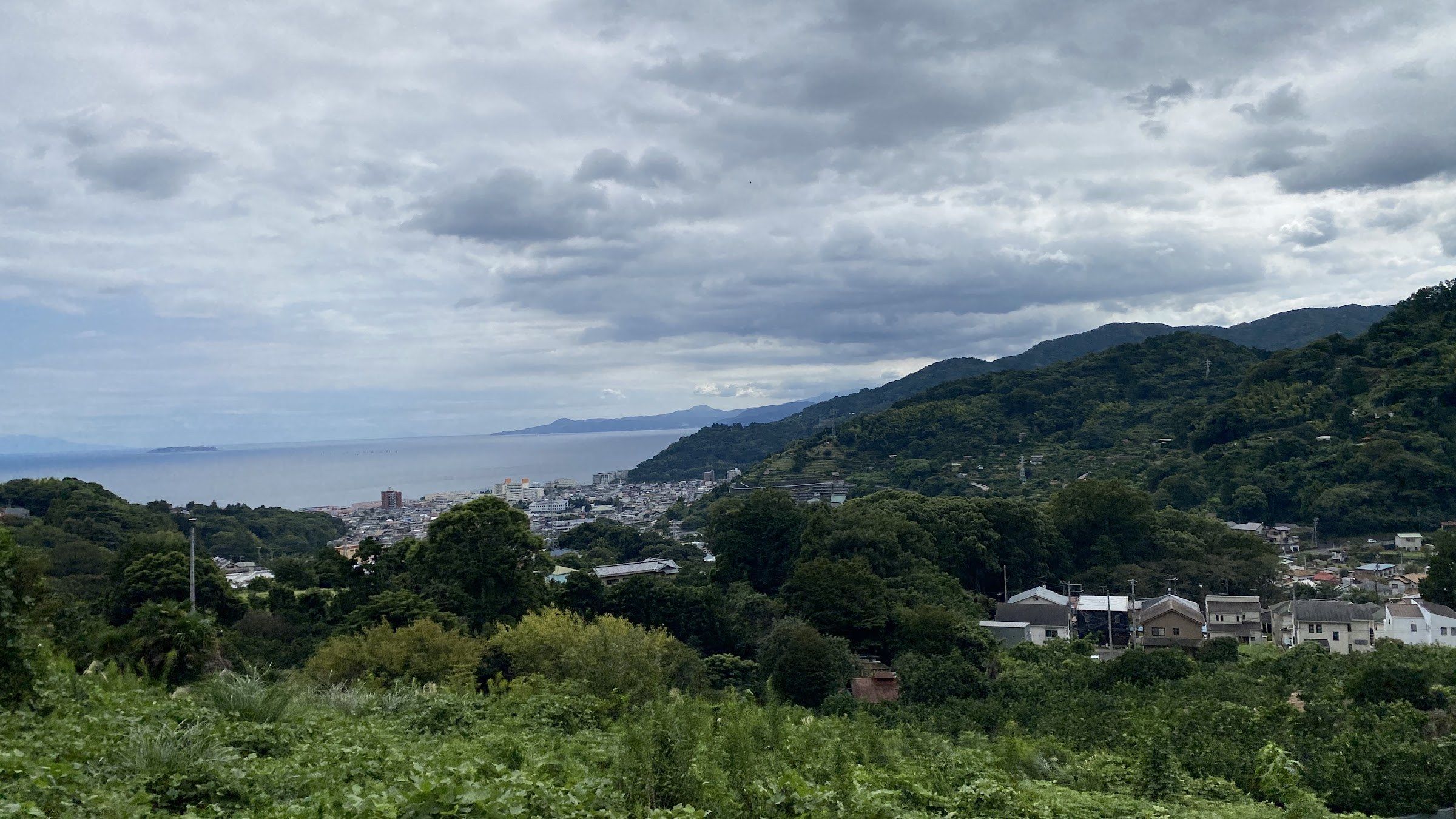
Yugawara's hills descending through the town toward the sea

Coast · station · river · upper valley

Read Yugawara as a sequence of landscapes.

The station, onsen district, upper valley, and coast are connected—but they are not one compact walking centre.

Follow the town through its terrain
  1. 0101 · Station
  2. 0202 · Central town and river
  3. 0303 · Onsen district
  4. 0404 · Oku-Yugawara
  5. 0505 · Yoshihama and coast

The useful map

A place name can hide several different journeys.

Choose where the day is centred before booking meals, baths, or a return train. Distance, slope, buses, and the last connection shape what belongs together.

Five practical areas

Each part of Yugawara supports a different rhythm.

01 · Station

Arrival, departure, and the day’s logistics.

The station area is the transport hinge: useful for supplies, meeting, and decisions before moving inland or toward the coast.
Best for
First and last stops; short visits; keeping the return train simple.
Movement
Do not treat arrival at Yugawara Station as arrival at every ryokan or onsen facility.
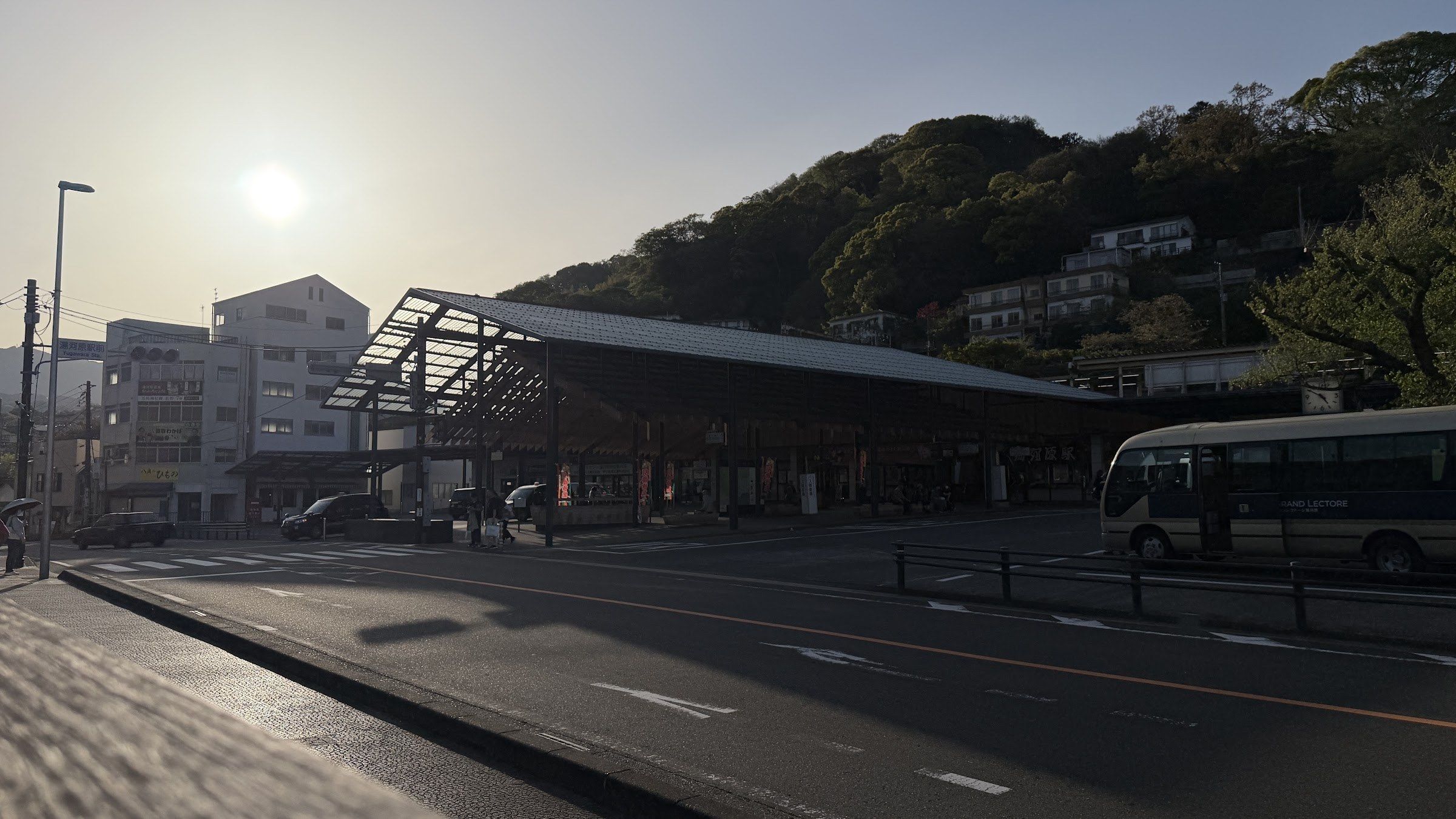
Yugawara Station and its forecourt in afternoon light

02 · Central town and river

Everyday Yugawara between transport and retreat.

Streets, shops, food, and the river connect the station side with the valley without becoming a single tourist precinct.
Best for
Town walks, local businesses, flexible meals, and seeing ordinary life.
Movement
Some stretches are walkable; judge the full distance and weather rather than assuming the whole corridor is short.
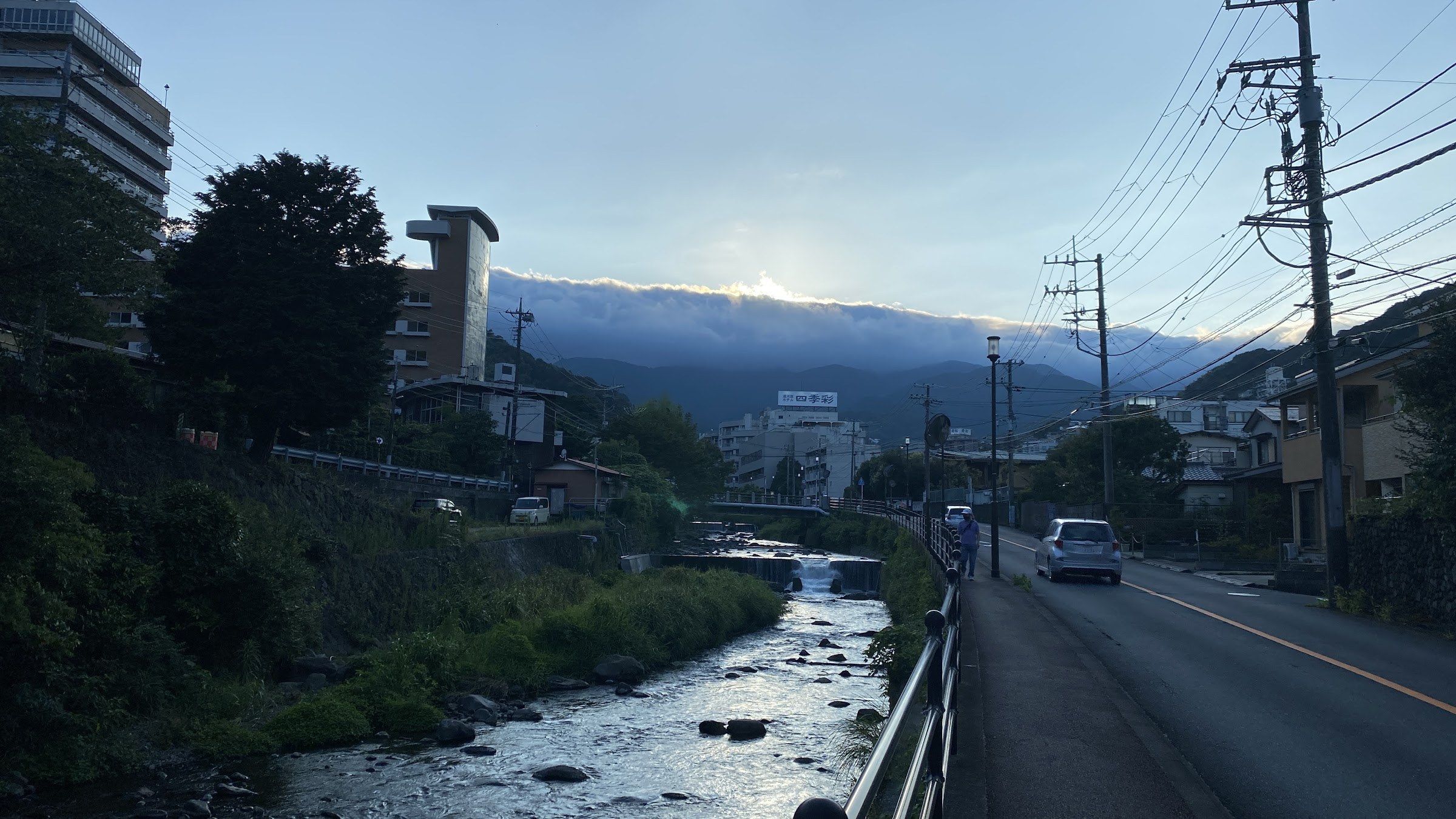
A river and road running together through central Yugawara

03 · Onsen district

The river narrows and the visit slows.

Manyo Park, bathing, ryokan, and older onsen-town streets make this the natural centre for a restorative stay.
Best for
Bathing, park time, an overnight stay, and a compact afternoon.
Movement
Bus, taxi, and lodging access matter—especially around check-in, dinner, and the last service.
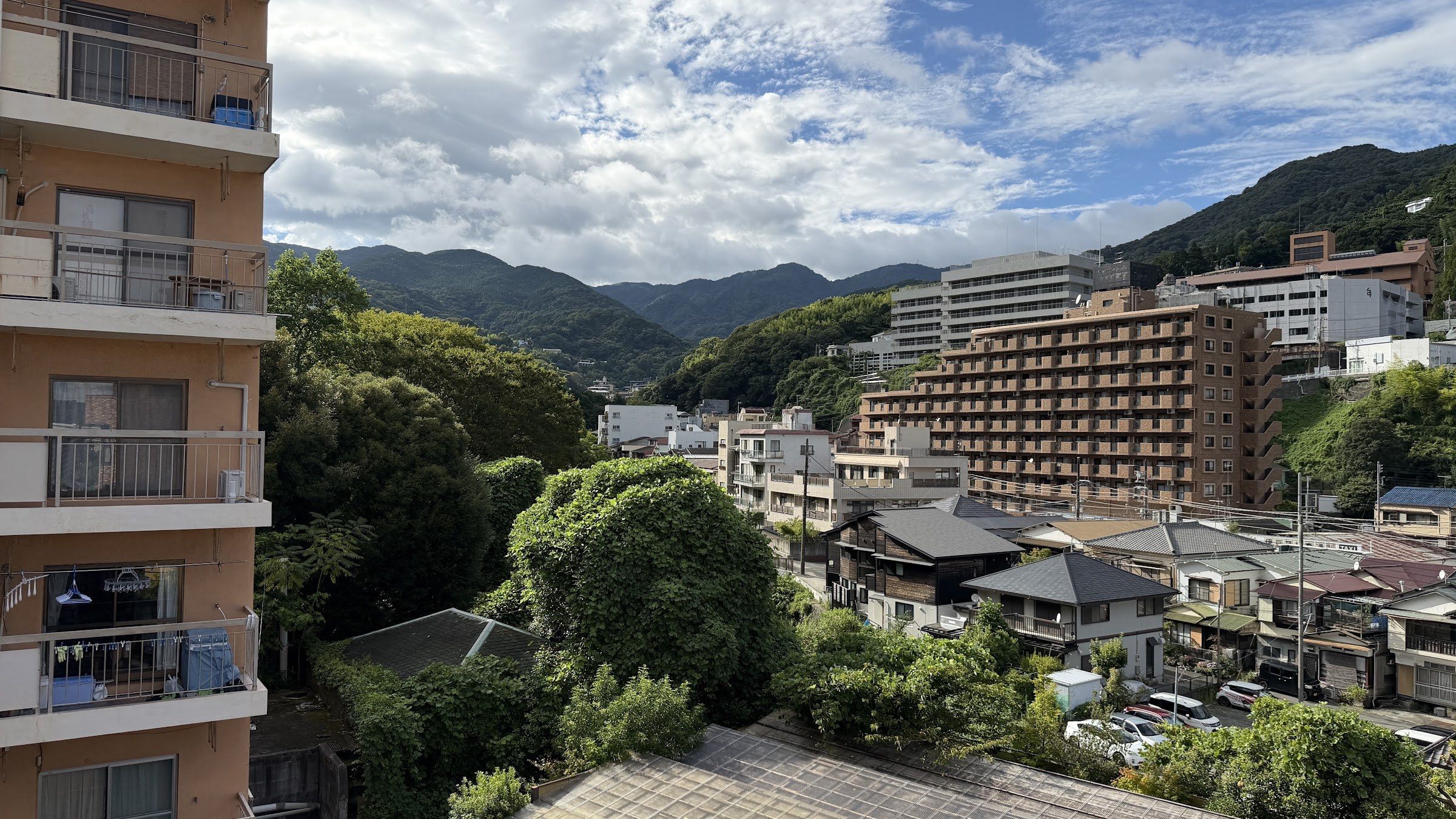
Buildings nestled among the wooded slopes of inland Yugawara

04 · Oku-Yugawara

A quieter upper valley beyond the main onsen district.

Oku-Yugawara exchanges convenience for deeper greenery, retreat, and distance from the station.
Best for
Staying put, a quiet ryokan, forest atmosphere, and fewer transitions.
Movement
Plan transport before arrival; spontaneous back-and-forth trips are less useful here.
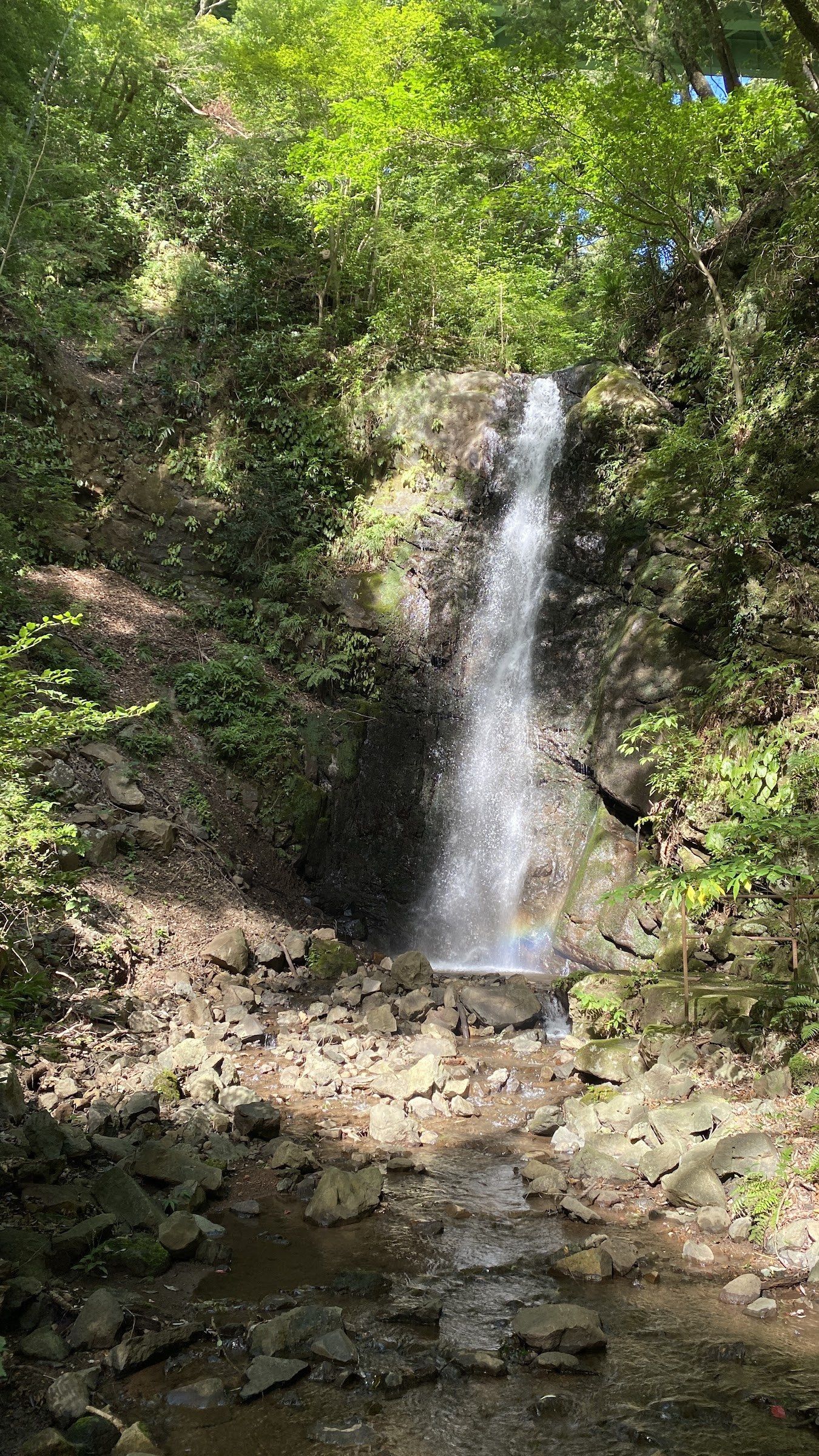
A waterfall descending through a wooded ravine

05 · Yoshihama and coast

A separate sea-facing Yugawara day.

The coast opens Yugawara toward beach, surf, wind, and horizon—distinct from the inland onsen valley.
Best for
Sea time, seasonal beach use, coastal light, and an open-air change of pace.
Movement
Treat coast and upper valley as separate directions unless transport and time are deliberately planned.
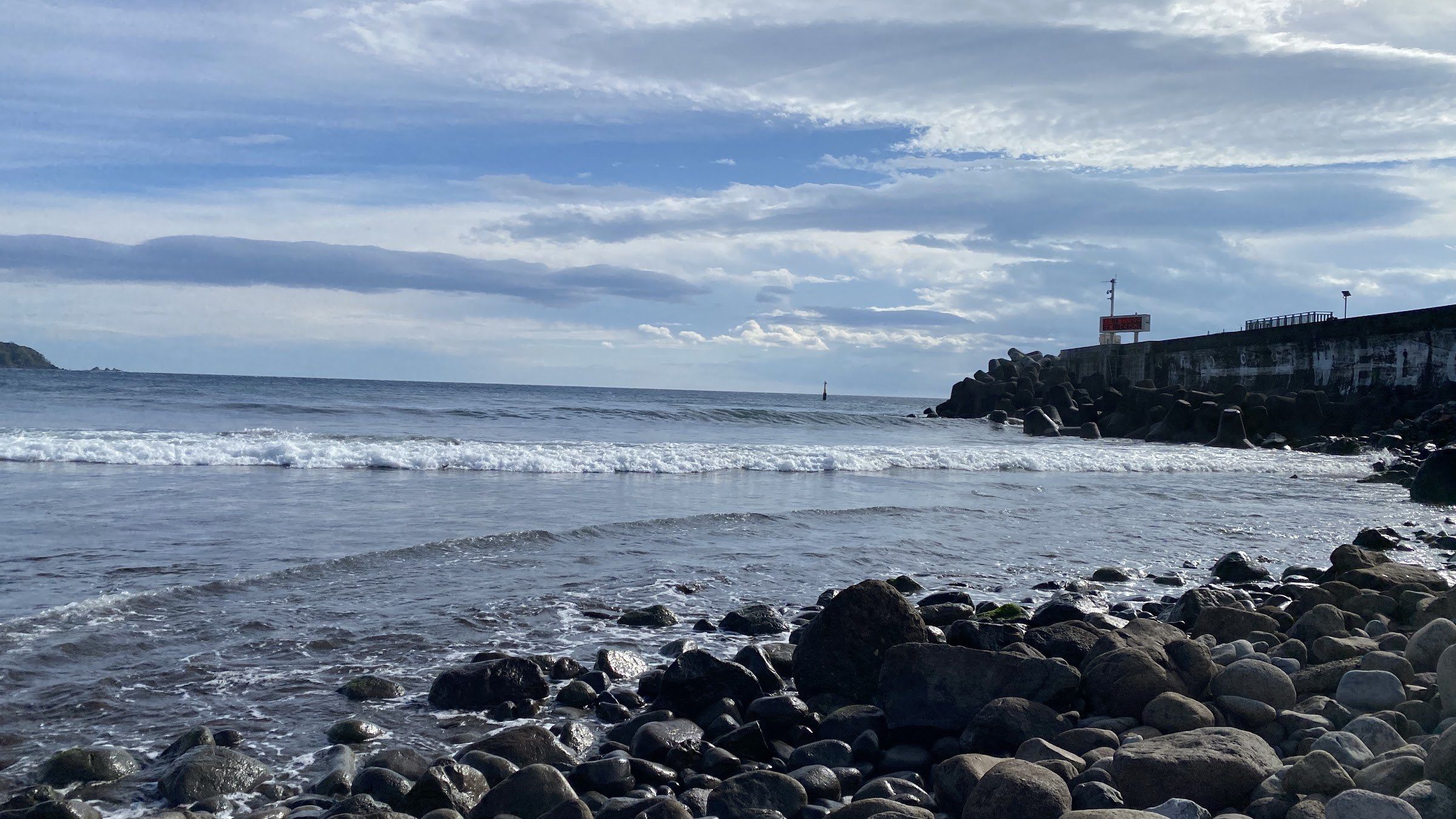
Waves reaching the rocky shoreline on Yugawara's coast

Make the geography work

Four distinctions prevent a rushed day.

The question is not whether places share the Yugawara name, but whether they share the same practical route.

  1. 01

    Station is the gateway, not the destination.

    Check the onward bus, taxi, walk, or lodging transfer before assuming the trip ends at the platform.

  2. 02

    The river and road form an inland axis.

    Central town, the onsen district, and Oku-Yugawara follow a broad sequence, but distance and slope still matter.

  3. 03

    The coast is another direction.

    Yoshihama is not a casual extension of every inland plan; give it its own weather and travel decision.

  4. 04

    Anchor the least flexible commitment.

    Dinner, check-in, a reservation, or the last train should determine where flexible stops can fit.

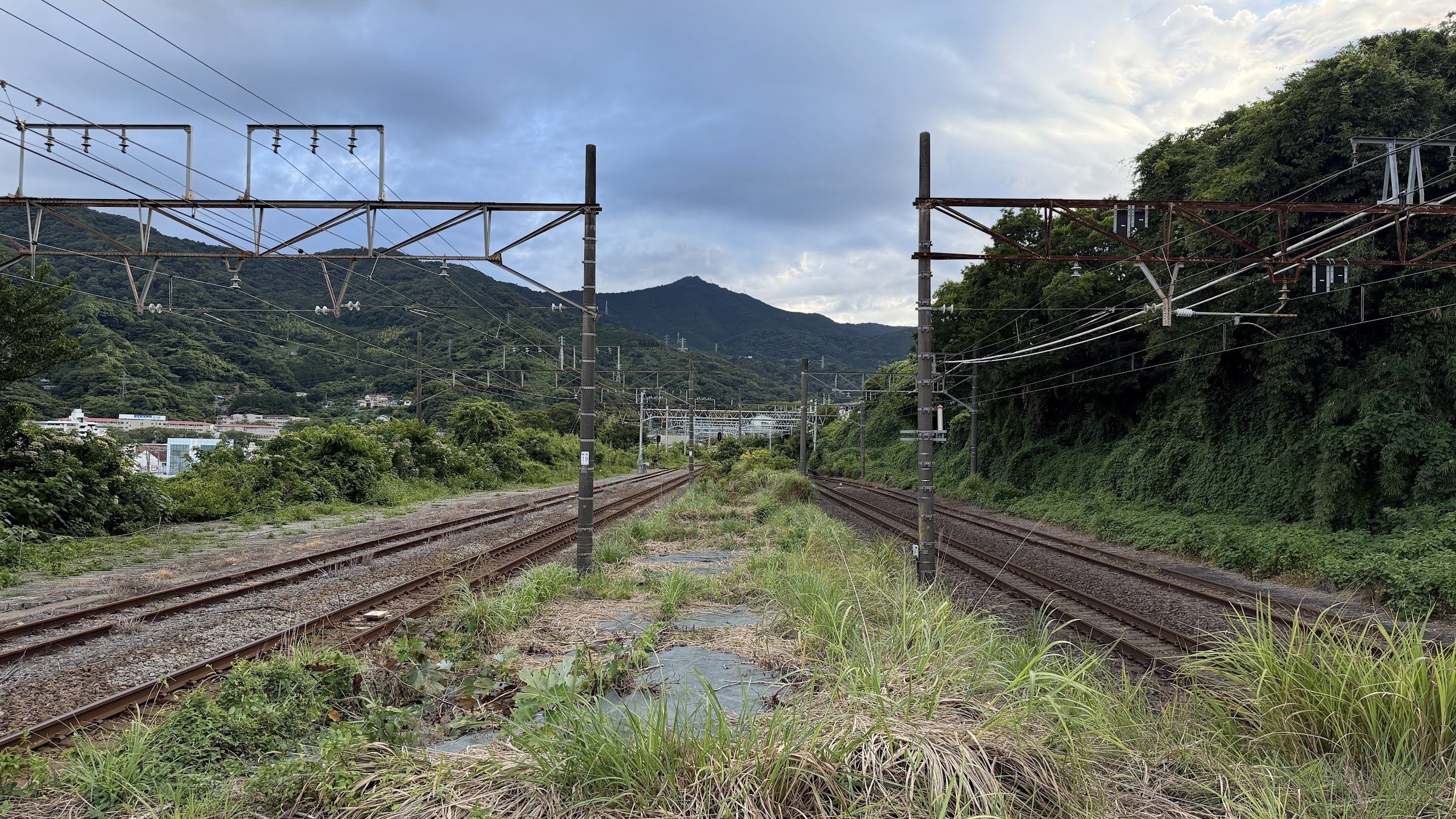
Railway tracks passing between Yugawara's green hills

Choose the centre of gravity

Put the night, the fixed booking, or the main landscape first.

Once the centre is clear, transport becomes a sequence instead of a collection of guesses.