
Planning guide
Yugawara, Hakone or Atami?
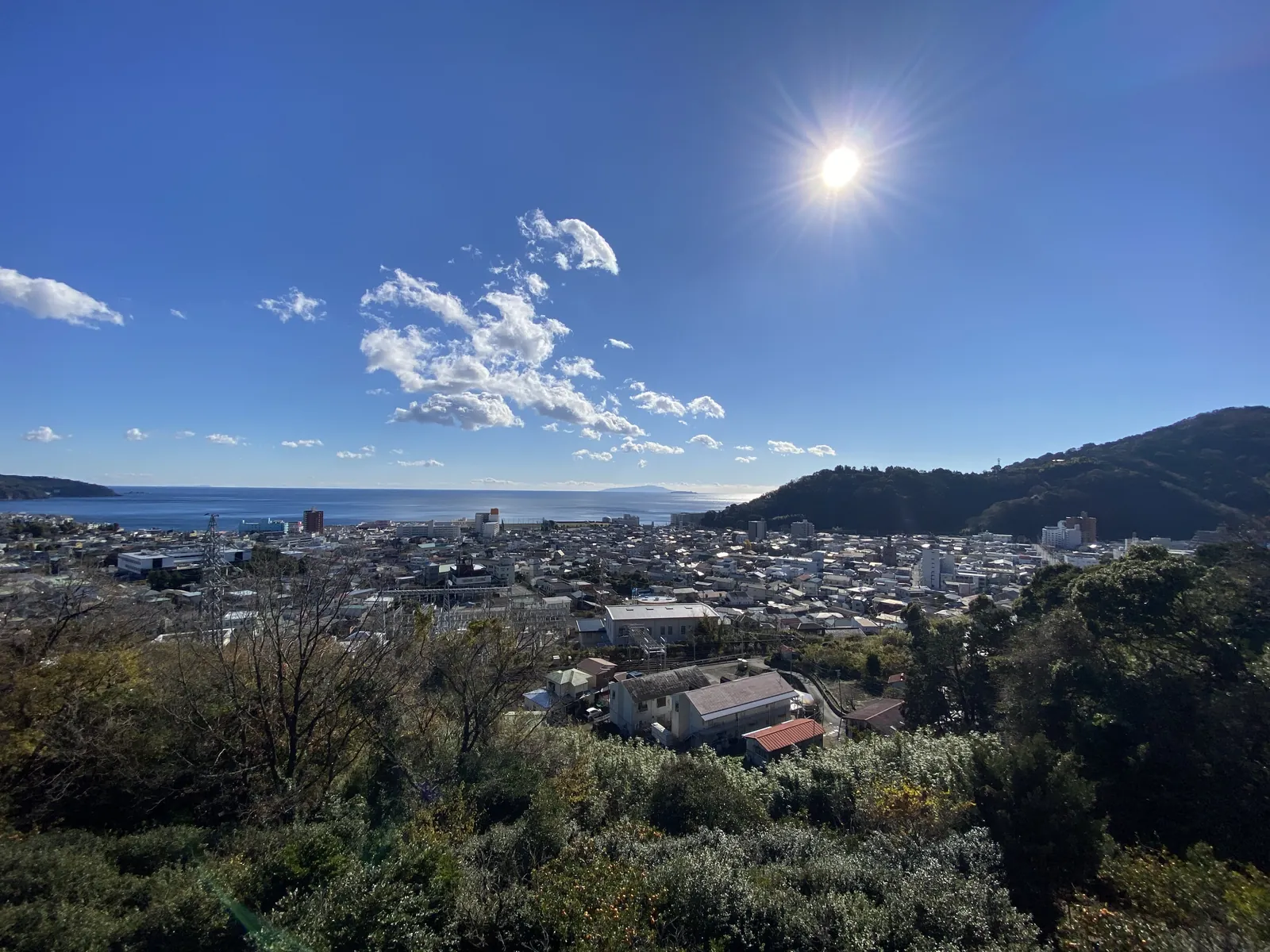
Three hot-spring towns sit next to each other at the western end of Sagami Bay and in the mountains above it. They're neighbours, but they're very different trips. Here's how they compare, from someone who lives in the smallest of the three.
Side by side
| Yugawara | Hakone | Atami | |
|---|---|---|---|
| Setting | A hot-spring town in a river valley, between Hakone's outer ridge and Sagami Bay | A mountain resort around Lake Ashi, a caldera lake, with hot springs spread across the hills | A seaside resort city on the coast, the first stop in Shizuoka |
| From Tokyo | Direct on the Tokaido Line, about 1 hour 40 minutes; about an hour by shinkansen to Atami and one stop back | Romancecar direct from Shinjuku to Hakone-Yumoto, or JR to Odawara and change | A shinkansen stop, and the Tokaido Line runs straight through |
| Known for | Ryokan along the river, the only hot spring in the Man'yōshū, writers and painters who stayed, mikan orchards and the Makuyama plum grove | Lake Ashi, Ōwakudani and the ropeway, Hakone Shrine, the old checkpoint, and many named onsen areas such as Yumoto and Miyanoshita | The hot spring the Tokugawa shoguns favoured, big resort hotels, the beach and a lively town centre |
| The feel | Small and local. A town people live in, with the baths woven through it | Big and varied, with a full day of sights on a loop of trains, cable cars and boats | A lively resort city by the sea |
| Best for | A slow onsen stay, local food, walks in the valley and the seasons | A first trip to the area and a day of sightseeing, with Fuji views on clear days | A quick escape on the shinkansen, the beach, and a city by the sea |
Why people choose Yugawara
Yugawara is the smallest of the three and the most local. The ryokan follow the river up the valley, the town's own day bath sits next to a park, and the restaurants by the station are where people who live here eat. It's the only hot spring named in the Man'yōshū, Japan's oldest poetry collection, and writers and painters have long come here to stay and work.
It's also well placed: Atami is one stop away for the shinkansen, and the Tokaido Line runs straight to Tokyo.
Onsen in Yugawara · Where to stay · Food and drink · With children · Things to do · Itineraries · Plum blossom · Mikan picking · Autumn leaves
Combining them
Atami is the easy one: a single stop on the Tokaido Line. The Chitose River is the border, and part of the Yugawara onsen area is in Atami.
Hakone is over the ridge. The bus that used to cross it now runs only on 2 January, so by train go via Odawara and change. By car, the Tsubaki Line climbs from Oku-Yugawara over to Hakone.
Quick answers
- Which is better: Yugawara, Hakone or Atami?
It depends on the trip. Pick Hakone for a first visit and a day of sightseeing, Atami for a quick trip by shinkansen and a seaside city, and Yugawara for a slower stay in a smaller, more local hot-spring town.
- How far is Yugawara from Atami?
One stop on the Tokaido Line. The Chitose River is the border, and part of the Yugawara onsen area is actually in Atami.
- Can I get from Yugawara to Hakone?
Yes, but not by direct bus: the bus over the ridge no longer runs except on 2 January. By train, go to Odawara and change for Hakone. By car, the Tsubaki Line climbs from Oku-Yugawara over to Hakone.
- Which is closest to Tokyo?
Atami is quickest, with its shinkansen stop. Yugawara is one stop further on the Tokaido Line, and Hakone is a direct Romancecar ride from Shinjuku.