
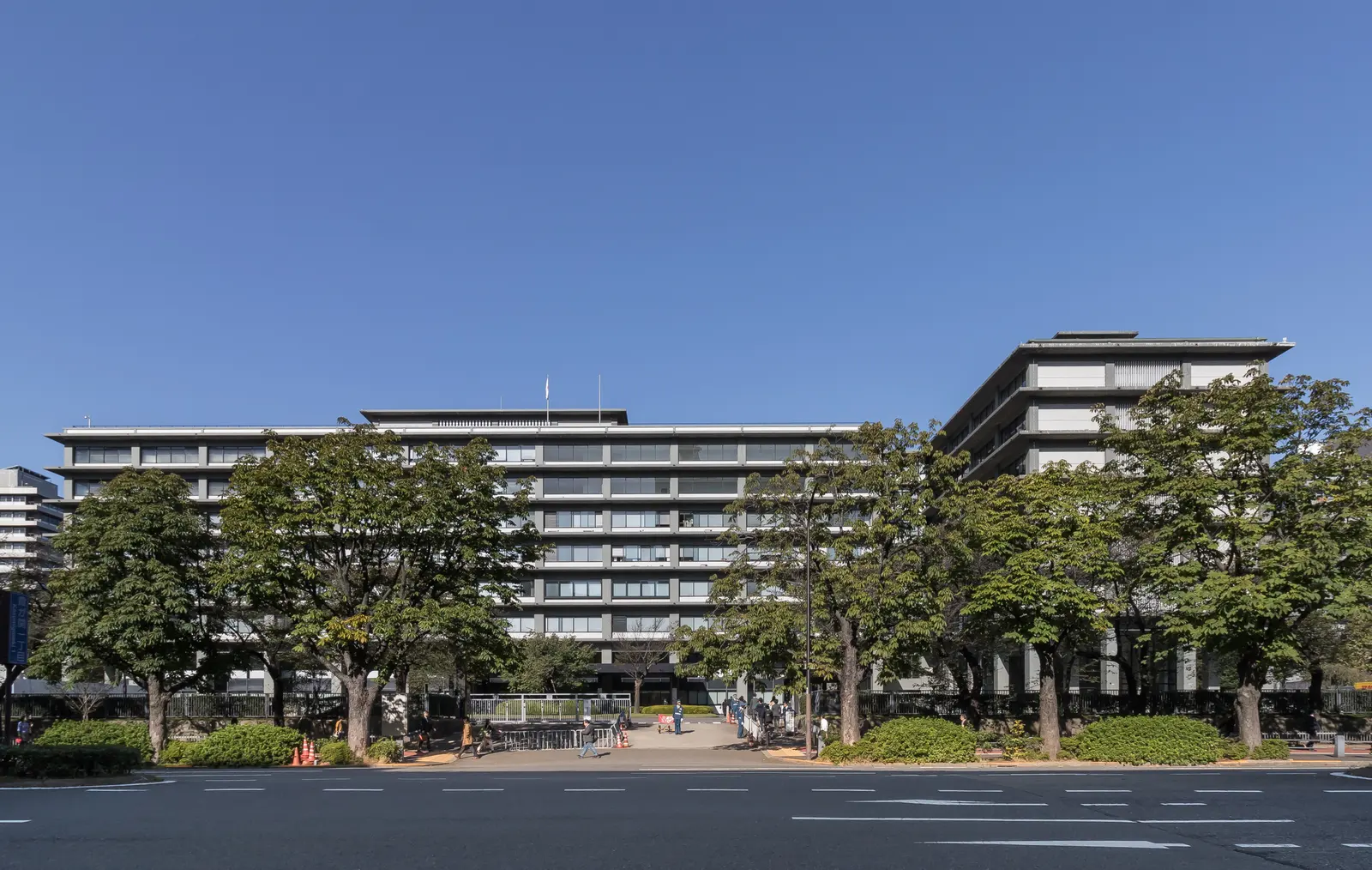
The Ministry of Foreign Affairs in Kasumigaseki, October 2018. The visa itself is issued at an embassy or consulate abroad.Photo: Kakidai · CC BY-SA 4.0
Remote work · How to apply
How to apply for the Digital Nomad visa
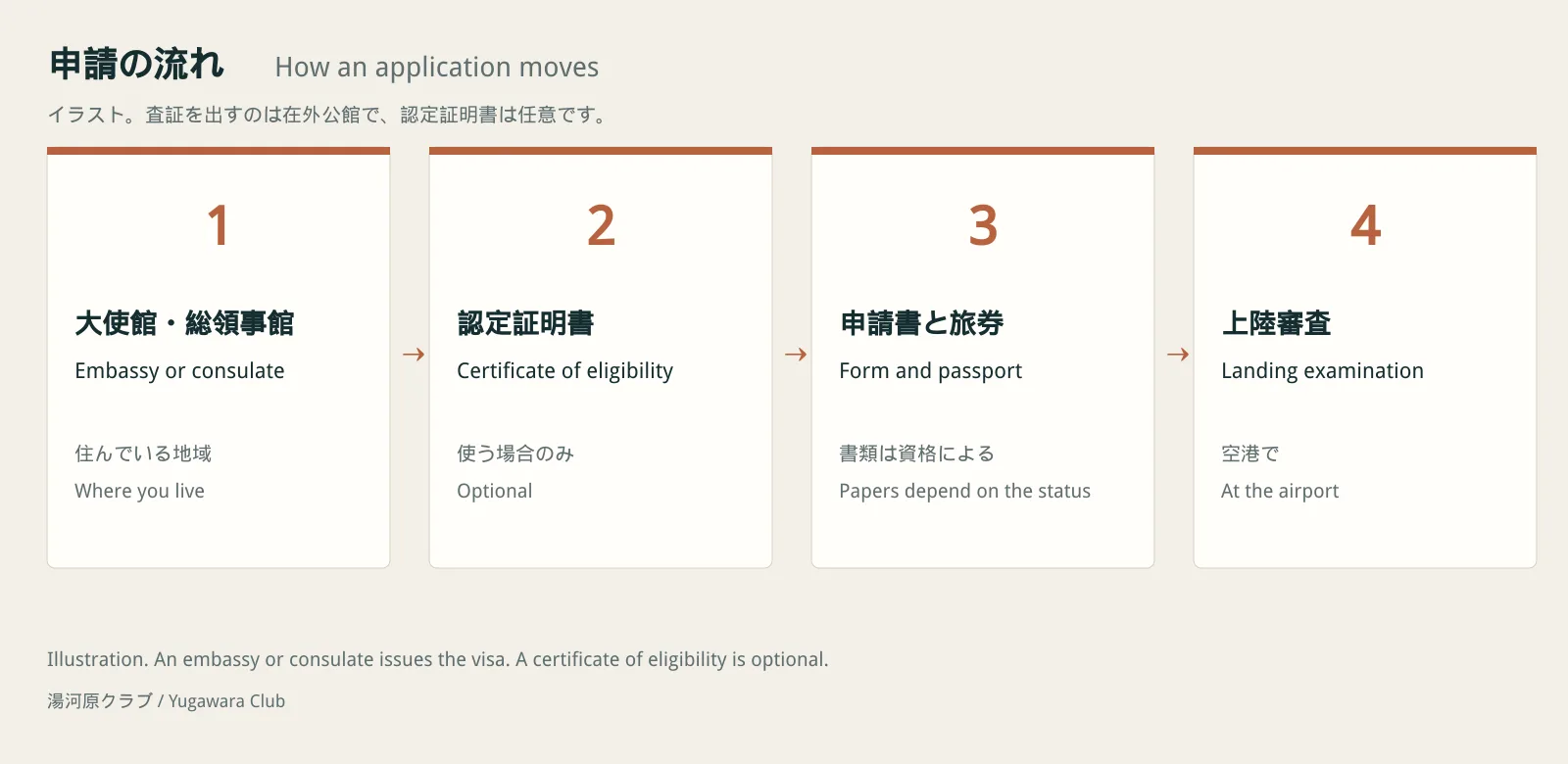
You apply for Japan's Digital Nomad visa before you travel, at the Japanese embassy or consulate-general that covers where you live. A certificate of eligibility (在留資格認定証明書) from a regional immigration bureau can take three of the papers off that application. This is the list those two offices publish.
Where the application goes
The visa is issued by an embassy or a consulate-general. The papers are the ones on the Ministry of Foreign Affairs digital nomad page. The certificate of eligibility, if you use one, is issued by a regional immigration bureau in Japan. Showing the certificate makes the visa application, and the landing check at the airport, run more smoothly. It does not promise that a visa will be issued. The Japan National Tourism Organization describes the same status for travellers.
With the certificate, the Ministry of Foreign Affairs says the visa is easier to receive inside the standard processing period: in principle, five business days counted from the day after the mission accepts the application. The Immigration Services Agency does not publish a separate processing time for the certificate itself on this status.
Questions about the form and the papers go to the Immigration Information Center, 0570-013904, or 03-5796-7112 from an IP phone or from overseas.
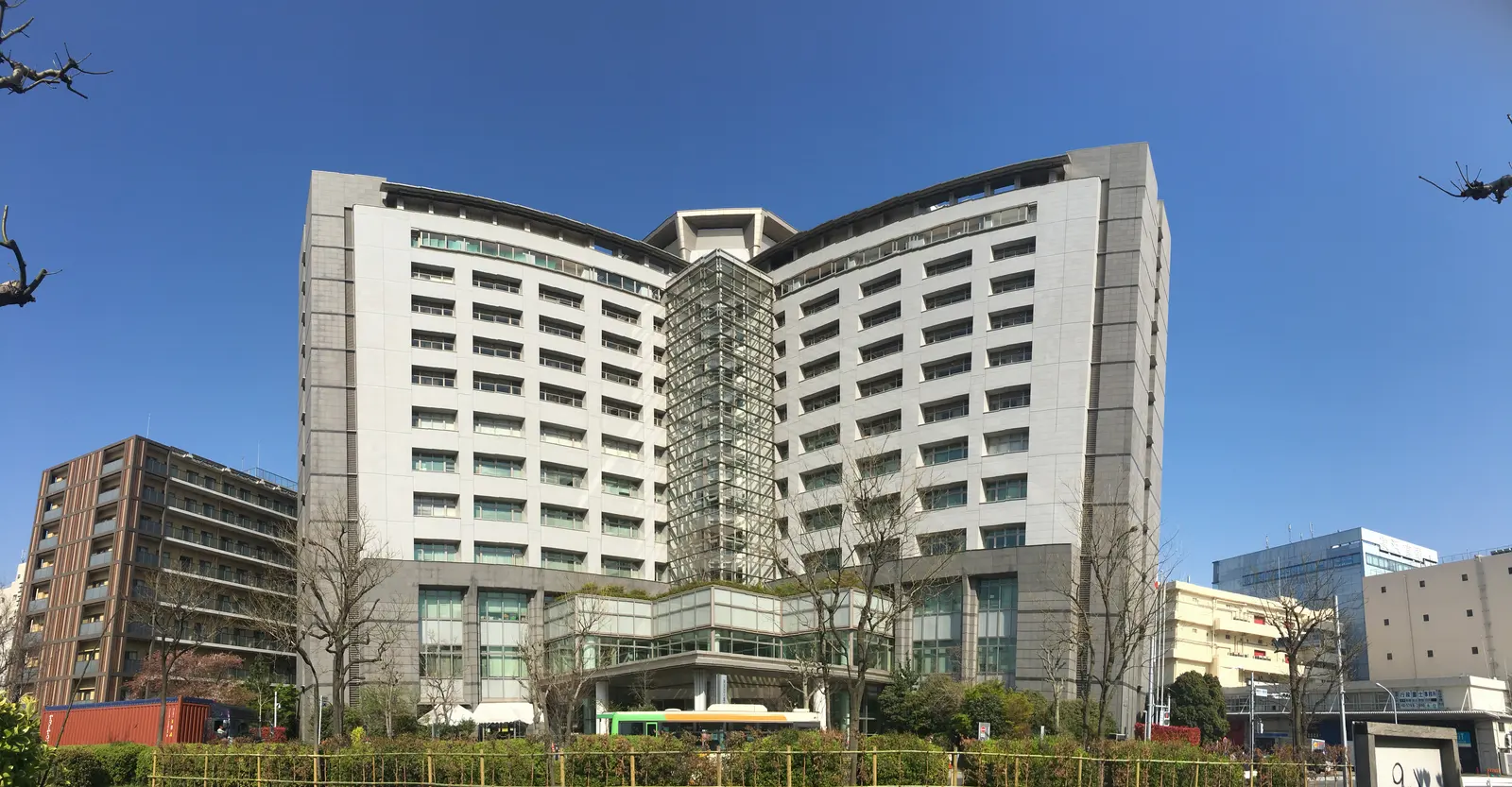
The documents
For the worker, the embassy asks for a visa application form with a photo, your passport, and a certificate of eligibility. Present the certificate and you can omit the activity plan, the income papers and the insurance papers. Without it, those three come with the form and the passport.
The activity plan is the ministry's form, on what you will do in Japan and how long you will stay. The income papers have to show annual income of at least ¥10 million. The ministry names a tax-payment certificate, an income certificate, an employment contract, or a contract with a client that states the period and the amount. The insurance has to cover death, injury and illness during the stay, with treatment cover of at least ¥10 million: a copy of the certificate and the policy summary, or a copy of the credit card and the papers for the cover that comes with the card.
A certificate of eligibility is the application you make when you want to enter Japan on this status for the first time. It asks for the application form (the organization sheets, parts 1 to 3, are not required), one photo that meets the published standard, and a standard reply envelope with the address written and registered-mail postage on it. Then the activity plan, unless the form already carries the detail; a tax certificate or income certificate from the country where you worked; papers for your current work, such as an employment contract or a certificate of employment; an explanation of the insurance cover; and a copy of the policy and its terms. The policy period has to match the stay you are planning. Credit-card cover is accepted when the papers show that it reaches the same treatment amount.
A paper in a foreign language needs a Japanese translation attached. A certificate issued in Japan has to be dated within the last three months. Papers you submit are not returned. If an original would be hard to replace, ask for it back when you apply. After the application is in, the office can ask for papers that are not on the list. If someone else files for you, that person shows an identity document, such as a company ID. When the name on the certificate and the name in the passport differ, each step before you enter can take longer, so a passport copy at the certificate stage saves that, where you have one.
- A spouse or child
- Their papers are a different list, including the relationship and a copy of your passport.
- Eligible countries and regions
- The worker's nationality has to be on the shorter chart.
GaijinPot's overview of who the six-month visa is for and how the application is filed. GaijinPot, 8 January 2026, 5 minutes. The fee and the country count on this page are the ones the Ministry of Foreign Affairs and the Immigration Services Agency publish.
The fee
For a visa application an overseas mission accepts on or after 1 July 2026, the published fee is about ¥15,000 for a single-entry visa and about ¥30,000 for a multiple-entry visa, in yen terms. You pay in the currency of the country or region where that embassy or consulate sits. The purpose of the trip and your nationality can remove the fee or change the amount. The ministry does not publish a separate price for the Digital Nomad visa, so the figure you pay is the one that mission charges for your nationality and this purpose.
If the visa is not issued, there is no fee. An agency the mission has approved can charge its own handling fee on top, and that part is due when a visa is issued.
Tuberculosis screening, for six nationalities
A Ministry of Foreign Affairs notice dated 25 September 2026 says pre-entry tuberculosis screening will apply to nationals of the Philippines, Viet Nam, Indonesia, Nepal, Myanmar and China who enter under notification 53, the digital nomad, or notification 54, the spouse or child. A residence permit, or another paper from the government where you live, showing that you currently live outside those countries takes you out of it. The notice points to the Ministry of Health, Labour and Welfare for the detail of the screening. It does not print a start date on that page.
More on working from Yugawara
- An onsen town for digital nomadsA workation near Tokyo: the visa, a room, a desk and a bath, 75 minutes from the city.
- The Digital Nomad visa, and YugawaraSix months in town on Japan's designated-activities visa, and what the missing residence card changes.
- Where to stay as a nomadMakuyama House by the river for a month, then Shiroyama Bekkan and the share house.
- Places to work fromCafés, free desks and a booth for calls, with hours and prices.
- A day in the life of a nomadAn example Tuesday: a café desk, lunch at West, a call, and Kogome no Yu for ¥600.
- Coworking and wifi in YugawaraFree desks in Man'yō Park and by the station, a lounge with a bath, and the library.
- Long stays and monthly rentals in YugawaraA whole house by the river, a share house above the station, monthly flats, and the town's grant for movers.
- Onsen and work: a day in YugawaraWhich bath to use when, what it costs, and where to shop for the week.
Quick answers
- Where do I apply for the Japan Digital Nomad visa?
At the Japanese embassy or consulate-general for where you live. A certificate of eligibility, if you use one, comes from a regional immigration bureau in Japan.
- What can I leave out if I have a certificate of eligibility?
The activity plan, the income papers and the insurance papers. You still file the visa form, with a photo, and your passport.
- How long does the visa take?
With a certificate of eligibility, the published standard is five business days from the day after the mission accepts the application. That does not guarantee the visa. No processing time is published for the certificate itself.
- What is the fee?
From 1 July 2026, about ¥15,000 for a single-entry visa and about ¥30,000 for a multiple-entry visa, paid in local currency. Nationality and purpose can change that. There is no fee if the visa is not issued.
Sources
This is not legal advice.
- Immigration Services Agency: Digital Nomad and family
- Immigration Services Agency: the same page in Japanese
- Ministry of Foreign Affairs: the digital nomad visa
- Ministry of Foreign Affairs: the digital nomad visa, in Japanese
- Ministry of Foreign Affairs: visa fees from 1 July 2026
- Ministry of Foreign Affairs: visa fees from 1 July 2026, in Japanese
- Ministry of Foreign Affairs: pre-entry tuberculosis screening
- Japan National Tourism Organization: the digital nomad visa
Last checked 22 October 2026.