
The date comes first
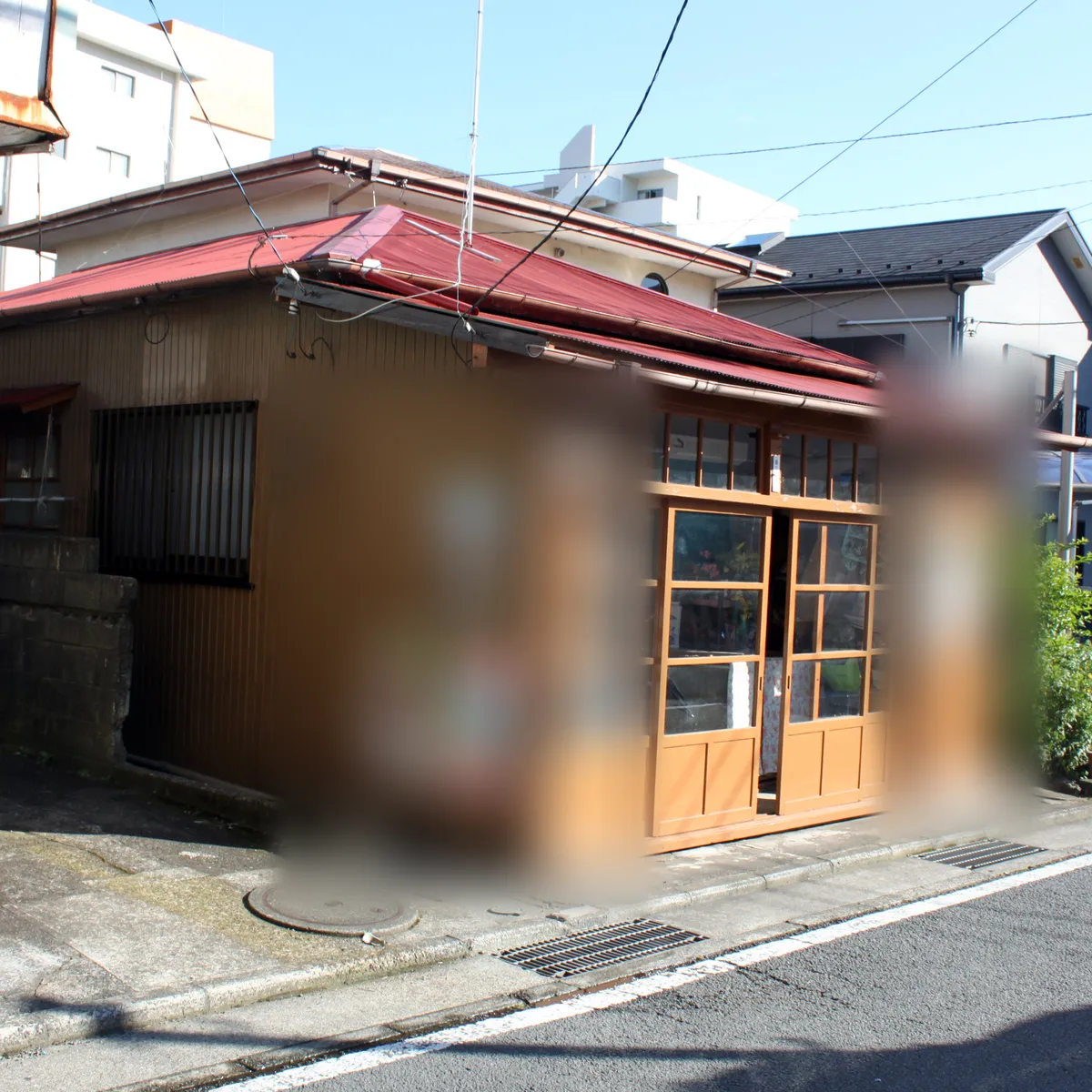
Plenty of the houses for sale in Yugawara are old and made of wood: a timber frame on a hillside, sometimes with an onsen pipe and a view of the bay. Before you fall for one, find out the year it was built. In Japan that one date says a lot about how the house was designed to stand up in an earthquake, whether the town will help pay to strengthen it, and whether your mortgage counts for the tax deduction. This article is about the frame. Our guide to buying a house with onsen in Yugawara covers the water.
Earthquakes are part of planning a life here. The town's seismic retrofit plan opens by noting that the threat of a Tōkai earthquake and of an earthquake in western Kanagawa has been called pressing, and the town last revised that plan in March 2019. The ground counts as much as the house. Many homes here sit on steep slopes above narrow valleys, and the town asks residents to look up whether their home is in a debris-flow or landslide warning zone on its online map. Do both checks: the house, and the hill it stands on.
1981, 2000, and what they mean
For a wooden house, the build date puts it in one of three groups. Houses approved before June 1981 were built to the old seismic standard. The new standard came in on 1 June 1981. In 2000 the rules for timber-frame houses were tightened again, spelling out how the joints between posts, beams, and braces must be fastened. Japan's building research bodies use the same three groups: the committee now studying the 2026 Kumamoto earthquake sorts damaged wooden houses by whether building confirmation was completed by 31 May 1981, from 1 June 1981 to 31 May 2000, or from 1 June 2000, when the rules for timber-frame construction were tightened. The middle group is the one buyers miss. Since 2017 the Ministry of Land, Infrastructure, Transport and Tourism has recommended checking the joints of wooden houses, mainly those built up to 2000, against the 2000 specifications when they are renovated.
The difference shows up after a big earthquake. After the 2016 Kumamoto earthquakes, the Architectural Institute of Japan surveyed every building in central Mashiki, one of the hardest-hit towns. Among the wooden buildings, 214 of 759 built before June 1981 collapsed (28.2%), 76 of 877 built from June 1981 to May 2000 (8.7%), and 7 of 319 built from June 2000 (2.2%). Those figures were provisional, as of September 2016. The government committee then looked at the collapsed houses from the middle group whose joints it could inspect, and found that every one fell short of the joint specifications made explicit in 2000. At the other end, of the 16 wooden houses in the survey area rated seismic grade 3, the top grade under Japan's housing performance system, 14 had no damage and 2 had slight or minor damage.
It happened again this summer. On 28 July 2026 a magnitude 7.1 earthquake (preliminary) struck the Kumamoto region and reached seismic intensity 7 in Uki and Hikawa. The Building Research Institute's first field report found many collapsed wooden houses and barns estimated to be more than about 45 years old, among them houses with heavy roofs and braced walls whose ends seemed to be fixed with nails only, and buildings that appeared to be empty. It also found that most of the buildings judged relatively new showed no major damage from the outside, and that some buildings over about 45 years old had little visible damage too. Age is a warning, not a verdict. The committee analysing the damage plans to report within this fiscal year.
What to ask
So start with the date, then ask what has happened since. Ask the seller or the agent for the building confirmation certificate and the registry entry, and note when construction began. Ask whether the house has had an earthquake assessment (taishin shindan) or any strengthening, and when it was extended or rebuilt. The 2026 report describes a wooden house said to be over 80 years old, extended and rebuilt after damage in 2016, that collapsed this time: repairs and extensions are part of the frame's history. For a house built between 1981 and 2000, the national method for checking the joints of these houses was published by the Japan Building Disaster Prevention Association; the ministry's notice announcing it explains why it was written. Ask your assessor about it.
The town subsidy and the tax rule
Yugawara will pay part of the cost. In fiscal 2025 the town widened its wooden-house subsidies from houses built by 31 May 1981 to houses built by 31 May 2000. It pays half the cost of an assessment up to ¥50,000, half the cost of the retrofit design up to ¥100,000, and half the cost of the work, site supervision included, up to ¥350,000. The house must be a wooden house whose construction began on or before 31 May 2000, built with conventional post-and-beam framing rather than two-by-four or prefab, and the owner's own home. Apartments and row houses don't qualify, and the owner can't be behind on town taxes. The assessment, design, and work must be done by people who have completed a retrofit course recognised by a prefectural governor. Applications for the year close at the end of December, completion reports are due by the end of February, and grants are paid within the town's budget. If you are buying a weekend house, ask the town whether a second home counts before you plan around the money.
The date also decides the mortgage tax deduction. For a used home, the National Tax Agency's rule is that it must be built on or after 1 January 1982, or else certified within the two years before you buy it as meeting the earthquake standard. There is a third route for a house that needs work: apply to retrofit it by the date you acquire it, and have the work certified by the day you move in. The other conditions include moving in within six months of buying and, in most cases, a floor area of at least 50 square metres. Note the cut-off is 1 January 1982, not 1 June 1981. For an older house, arrange the certificate or the retrofit application before the sale closes, because afterwards is too late.
A first look, then decide
Our sister site Akiyaz, which covers old houses and land across Japan, keeps a disaster exposure page that screens an address or coordinates against official Japanese data for earthquake shaking and elevation. It says plainly that the screen doesn't replace local hazard maps, engineers, insurers, or legal review, which is the right way to use it: a first look before you pay an assessor. If the house you like has earthen walls, Akiyaz also wrote up a hands-on workshop in Yoshihama on the bamboo lattice inside traditional mud walls. Seeing how those walls are built helps when an assessor tells you whether to repair them or replace them.
An old wooden house in Yugawara can be a lovely place to live, and our guide to working remotely in Yugawara shows how people make the week work here. Go in knowing what you are buying. Check the date, ask what has been done to the frame since, book an assessment with a qualified assessor, and put the town's subsidy and the tax rule into the budget. Then decide with the numbers in front of you.