
The onsen is a contract
Plenty of old houses in Yugawara are sold with hot water from the ground on tap. It sounds like the best thing about the town, and it can be. But for many of these houses the onsen is not something you own outright with the building. It comes through a supply contract with the town, with a deposit, a monthly bill, a pipe you have to maintain, and rules about when the town can cut it back. If you are looking at a house here, read that contract with the same care as the roof. Our onsen guide covers the public baths; this article is about the bath at home.
Yugawara's town-run hot spring business is a real utility. Since fiscal 1994 the town has run a central supply system that pools the springs and pipes the water out, after drilling and over-pumping from the mid-1950s to the mid-1960s lowered the water table and threatened to exhaust the source. Our history piece, how Yugawara became an onsen town, tells the longer story. At the end of fiscal 2024 the town supplied 230 users, 133 of them private homes. The town's own booklet on the business, published by its Onsen Division, is the best single document for a buyer, and almost everything below comes from it.
Which kind of supply?
The first question about any onsen house is which kind of supply it has. The town's ordinance sets out three. A rights supply goes to people who hold the right to receive the water; a deposit supply goes to people who have lodged a deposit with the town and received permission; and a temporary supply is granted for a fixed period. Of the 133 homes on the town system, 66 had rights supplies, 56 deposit supplies, and 11 temporary supplies. The rules differ by kind. When the town has to suspend or limit supply after a disaster, a power cut, or a breakdown, it may also, where it judges this necessary, revoke deposit and temporary supply permits. A rights supply is not listed for revocation.
Ask the seller and the agent for the paperwork that shows which kind it is, how much water the house is allotted, and whether the right or permit passes to you on sale. Then confirm it with the town's Onsen Division yourself before you sign. The listing alone is not enough. The volume is measured in flow per minute. The town will not supply less than 3.6 litres a minute, an allotment of about 155 cubic metres a month, and the water should reach the branch from the main at 55°C, and not below 50°C. A new deposit supply needs a deposit of ¥1,000,000 for every 1.8 litres a minute, so the minimum is ¥2,000,000. A house with no supply at all would also pay a new-connection charge, which for 3.6 litres a minute is ¥1,000,000, plus meter work starting at ¥62,790 for a 15 mm meter, not counting digging and road repair.
The monthly bill
Then there is the monthly bill, and it is mostly fixed. The basic charge is set by the allotment, the flow the house is entitled to, and the usage charge by what you draw. In papers for a town council committee in June 2025, the town worked through the case of a private home on a deposit supply of 3.6 litres a minute using 10 cubic metres a month: ¥28,313 a month before tax at the old rates, of which ¥24,883 was the basic charge, and ¥30,800 under the proposed new rates. The town's booklet confirms that unit prices change from April 2026. In other words, a lightly used onsen in a weekend house costs roughly ¥30,000 a month before tax, whether or not anyone is there to bathe.
More rises are already in the town's plan. The same papers explain that the springs' owners face ageing equipment and higher costs, that supply into the system has fallen, and that the central pipe network has been in place for nearly 40 years. The plan considers three revisions: revenue up 5% in fiscal 2026, 9% more in fiscal 2029, and 2% more in fiscal 2032. The later two are still under discussion with spring owners and the town's onsen committee, so treat them as planned, not decided. Put the monthly onsen bill into your budget for the whole time you expect to own the house, and assume it will go up.
The pipe and the land
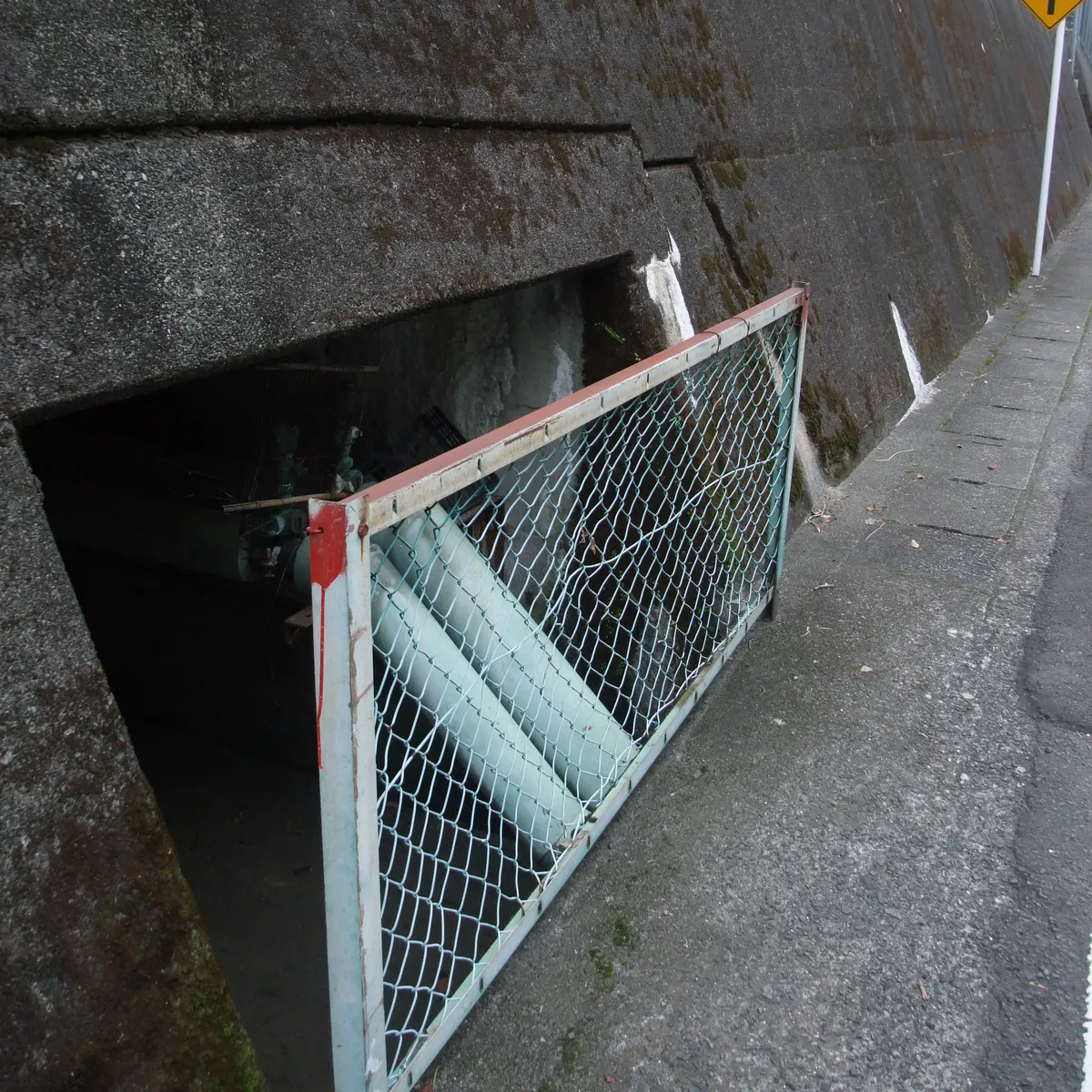
The pipe on your land is yours. The town says that pipes buried in private land or private roads are the owner's to manage, and repairs are at the owner's expense. A leak under the public road is the town's, and you call the Onsen Division, day or night. For repairs at home, the town keeps a list of certified onsen contractors. In an old house that has stood empty, ask when the pipe and the bath plumbing were last worked on, and get a certified contractor to look before you buy. A house left empty for years has had nobody to notice a slow leak.
The land comes with rules of its own. Yugawara is one of the Kanagawa towns with scenic districts, and inside one, building, changing the shape of the land, and cutting trees or bamboo all need a permit from the mayor. That covers a lot of what people plan for an old hillside house: an extension, a parking space cut into the slope, a cleared garden. Ask the town whether the plot is in a scenic district before you plan the work. Many houses here also sit on steep ground above narrow valleys. The town asks every resident to check whether their home is in a debris-flow or landslide warning zone using its online map. The map is a reference, and the town says it cannot be used to prove rights, but you should look before you fall in love with the view.
Empty houses and help
If the house is empty, the town wants to help it find a new owner. Yugawara runs an empty-house bank with neighbouring towns and the local association of real estate agents, and a consultation desk for owners and would-be buyers. In March 2026 it signed an agreement with Sagami Shinkin Bank and Zenkoku Hosho for an empty-house mortgage at 0% fixed interest for the first three years, then a variable rate. The town also warns why neglect costs money: a house that decays far enough to be designated a problem property loses the reduced property tax rate for residential land. If you buy, keep the house and garden looked after, onsen pipe included.
Our sister site Akiyaz, which covers distinctive homes and land across Japan, has written about a resort complex on the Yugawara and Atami side with its own spring right. Akiyaz also prepares a Property Intelligence Report on a single property: it explains the listing, separates confirmed facts from claims and open questions, reviews hazard maps and municipal sources, and lists the professional checks to make before an offer. For an onsen house, those open questions are the ones above.
Yugawara rewards the people who move here. Nothing beats a bath at home after a walk in the hills, and our guide to working remotely in Yugawara shows how people make a life here during the week. Go in knowing what the onsen is: a contract with the town, a bill every month, and a pipe that needs looking after. Ask which kind of supply it is, check it with the Onsen Division, budget for the rises, and have the pipe inspected. Then enjoy the water.