
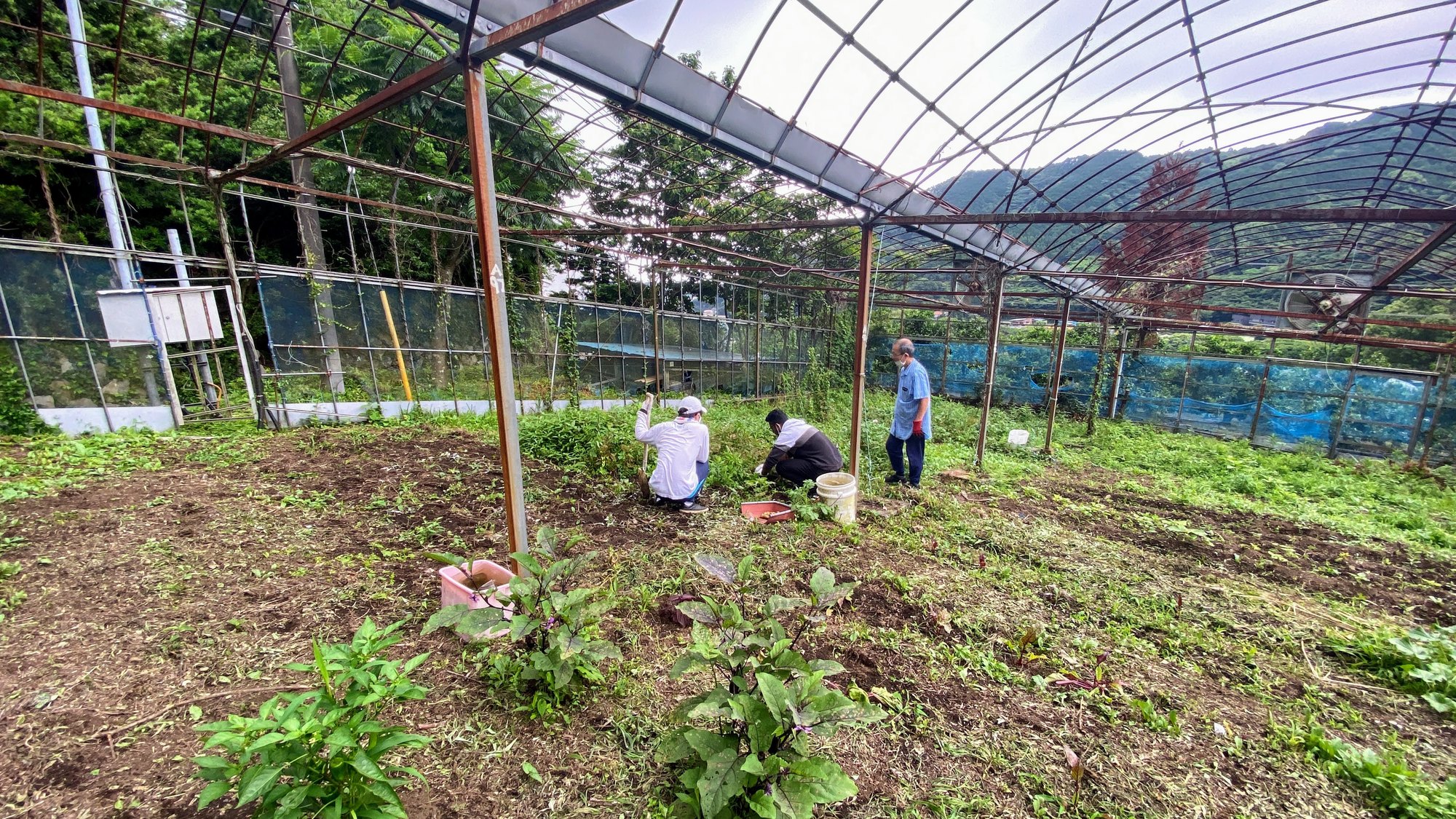
Masato recently appeared in a Yomiuri TV News report about Yugawara's growing monkey problem.
It is not the sort of publicity a tourism town normally wants. The report covers damage to persimmons and other crops, monkeys entering residential areas, and an attack that sent a man to the hospital. Yugawara has asked Kanagawa Prefecture to consider capturing the entire local troop, while the troop's protected status makes the decision complicated.
I know Masato from a different side of Yugawara.
When I first started coming here, he was one of the people who let me experience the town as somewhere lived in rather than somewhere visited. There were weekends working on reclaimed farmland, cutting bamboo, building treehouses, eating together, and being shown places I would never have found through a tourism website.
His way of introducing Yugawara was simple. He would notice something worth seeing or doing, point to it, and say, “Hey, these ones.” That openness helped turn Yugawara from a destination into a place where I felt welcome.
The monkeys were part of the same landscape. Seeing one from a distance can feel like a charming encounter with nature. Living beside a troop that enters gardens, damages crops, occupies roads, or approaches people is something else entirely.
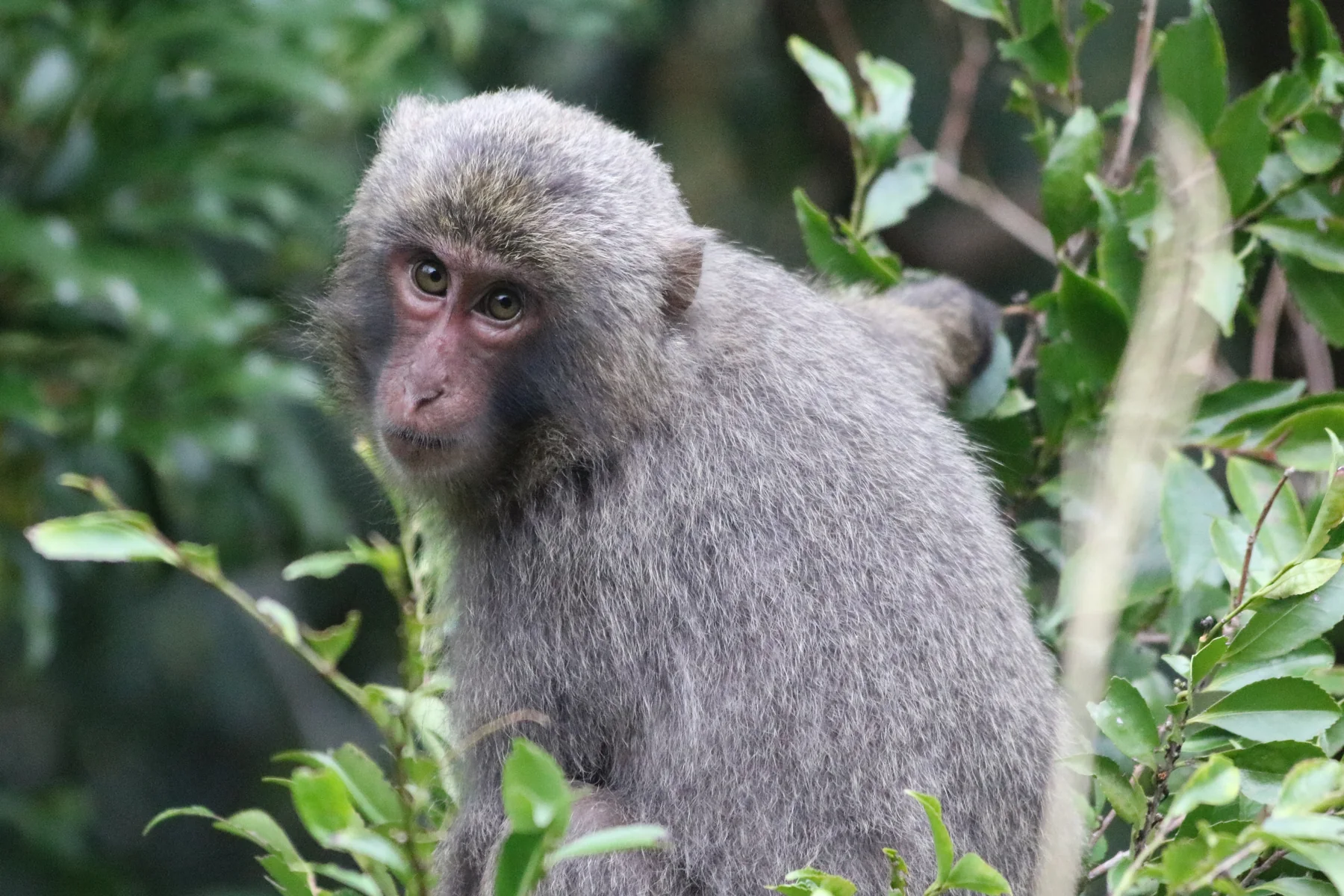
Yugawara Town says the remaining T1 troop has around 20 monkeys and is active mainly around Onsenba, Miyakami, Miyashita, and Shirohori. The town reports agricultural damage, entry into homes, damaged screens and gutters, droppings, and injuries to people.
For people maintaining farmland, the problem is especially direct. Growing food already requires time, weather, physical work, and persistence. Losing a crop to animals is not an abstract wildlife-management issue. It is the disappearance of work that somebody has been doing for months.
A television report can show the damage and explain the policy argument. Someone like Masato can show what the land means to the people trying to use it, restore it, and share it with others.
Yugawara is an onsen town, but it is also a working town of farms, wooded slopes, old houses, and people who spend their time taking care of places most visitors never see. Its beauty and its problems often come from the same geography.
I am glad Masato's perspective was included. He has spent years helping people engage with this part of Yugawara directly, including me.